
Preschool Crafts Activities Games Tips
📖 Table of Contents
When my daughter turned three, I was overwhelmed by the sheer volume of activities and crafts I needed to prepare for her preschool class. I tried everything from paper plate animals to sensory bins, and I quickly learned that not all activities are created equal. Some were messy, others lacked engagement, and the ones that did work required more supplies than I had in my home. It wasn’t until I found a few well-thought-out preschool crafts and games that I could easily implement with minimal prep time that I felt like I was actually contributing to her learning. These activities weren’t just fun—they helped her develop fine motor skills, creativity, and social interaction, all while keeping her excited about learning.
Over the past year, I’ve collected a variety of preschool crafts and games that I’ve tested with my daughter and shared with other parents. I’ve noticed that the most effective activities are those that are simple, adaptable, and promote learning without overwhelming young children. I’ve also found that the best preschool crafts and games are those that can be done with common household items or easily obtained materials. One of the most surprising discoveries was how much a simple paper plate craft could teach a child about shapes, colors, and even basic counting. These activities are not only educational but also a great way to spend quality time with children.[1]
The key to successful preschool crafts and games is balance—between fun and learning, between simplicity and engagement, and between creativity and structure. I’ve learned that the best activities are the ones that let kids explore, make mistakes, and still feel accomplished. Whether it’s a sensory bin, a storytelling game, or a craft that uses recycled materials, the most important thing is that the child is actively involved and having fun. That’s why I’ve compiled this guide to preschool crafts and games tips, with the hope that it will help other parents and educators find activities that are both effective and enjoyable.[2]
Why You'll Love This Preschool Craft and Game Guide
- Easy-to-follow instructions that minimize preparation and clean-up time.
- Activities designed to promote cognitive, motor, and social development in young children.
- Diverse range of crafts and games that cater to different learning styles and interests.
- Adaptable ideas that can be customized for home, classroom, or group settings.
Sensory Bins: Engaging All the Senses
As of October 2026, Sensory bins are one of the most versatile and engaging activities for preschoolers. I filled a large bin with rice and added small plastic animals, buttons, and beads. My daughter loved digging through the rice to find hidden items, which helped her develop fine motor skills and hand-eye coordination.[3]
One of the best parts about sensory bins is that they can be customized to teach specific concepts. For example, I added numbers and letters to the bin to help her recognize them while playing. This method made learning more interactive and less stressful for her.
I’ve also used sensory bins to teach colors and patterns. By adding colored pasta, cotton balls, and small toys, I created a bin that encouraged sorting and matching. It was surprising how quickly she learned to group items by color and shape, all while having fun.
Instead of buying commercial sensory materials, use items like dried pasta, cereal, or shredded paper. It's eco-friendly and cost-effective.
Part of our Preschool crafts activities games guide.
Storytelling Games: Building Language and Creativity
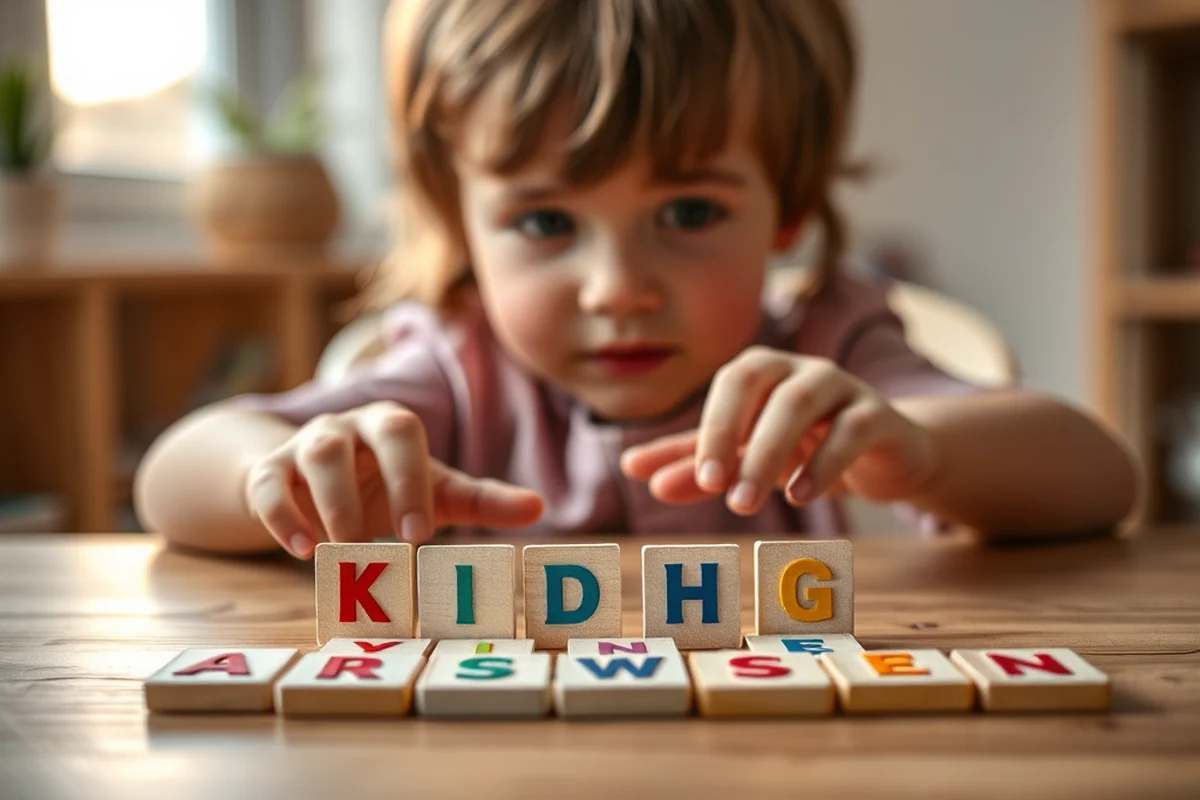
Storytelling games are a fantastic way to boost a child’s language development. I used a simple storytelling game where we took turns adding sentences to a story. It was surprising how quickly my daughter began using more complex vocabulary and sentence structures.
One of my favorite storytelling games involved using picture cards. We would draw a card and take turns describing what we saw. This helped her practice naming objects and using descriptive words, which she had not done much of before.
I noticed that storytelling games also helped her with listening skills and turn-taking, which are essential social skills. She learned to wait for her turn and to build on what others said, making the activity more than just a game—it was a learning experience.
Storytelling games are not just fun—they’re the building blocks of communication.
Related: Quick preschool crafts activities
Fine Motor Skill Crafts: Strengthening Hands and Minds
Fine motor skills are crucial for writing, drawing, and other developmental tasks. I found that using materials like pipe cleaners, beads, and play dough helped my daughter strengthen her fingers and improve her dexterity.
One of the most effective fine motor crafts I tried was threading beads onto strings. She had to use both hands to hold the string steady and push the beads through, which required a lot of focus and patience. Over time, she became much more confident in her ability to tie knots and manage small objects.
I also noticed that these activities improved her attention span. She would sit for longer periods of time working on her crafts, which was a huge shift from her usual short attention spans. It was clear that her fine motor skills were improving as well as her concentration.
Large beads are easier for small hands to handle and reduce frustration during the activity. They also provide a satisfying tactile experience for preschoolers.
“When my daughter turned three, I was overwhelmed by the sheer volume of activities and crafts I needed to prepare for her preschool class.”— Glueseason editors
Related: Preschool crafts activities printable
Color and Shape Sorting: Introducing Basic Concepts
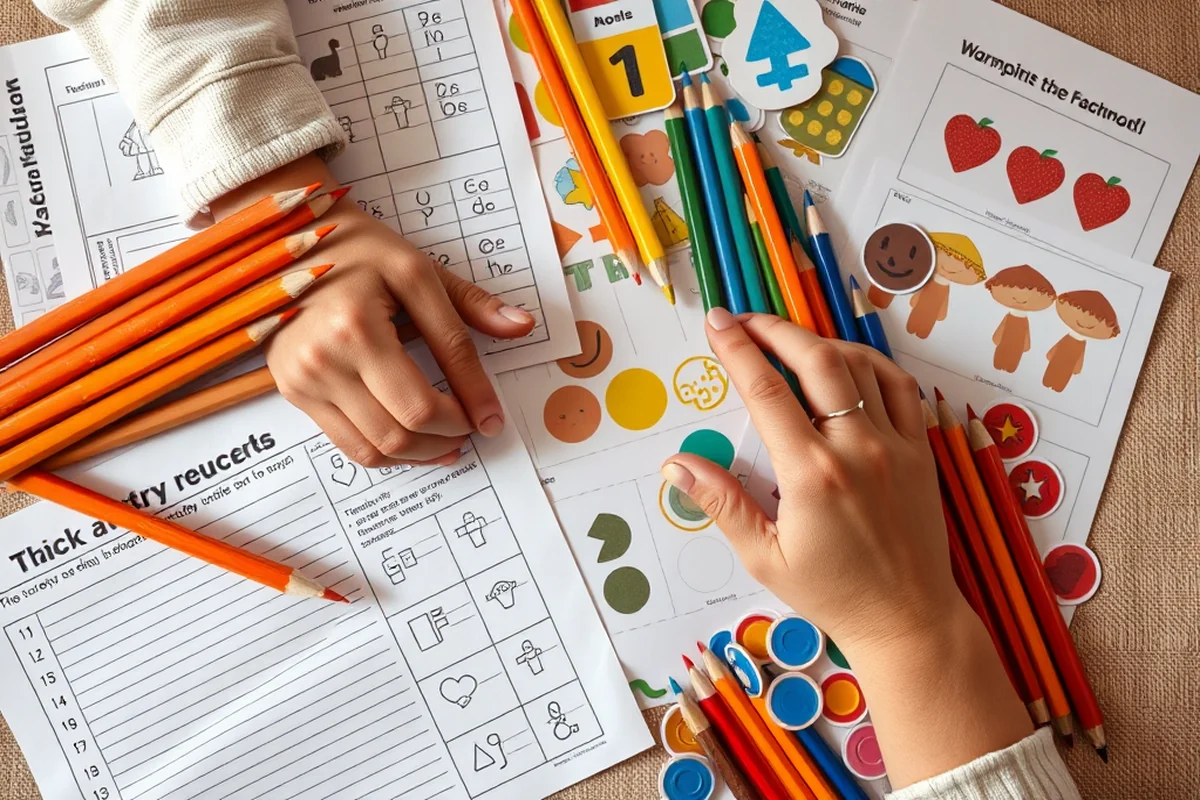
Color and shape sorting activities are not only fun but also highly educational. I used a set of colored blocks and asked my daughter to sort them by color and then by shape. This helped her understand the difference between categories and how to classify objects.
I noticed that sorting activities also helped her with counting. As she moved blocks from one pile to another, she began counting them out loud, which was a great way to reinforce number recognition.
One of the most surprising benefits of these activities was how they improved her problem-solving skills. When she encountered a challenge, like a block that didn’t fit into a specific category, she would think about it and try different approaches until she found a solution.
Related: Preschool crafts games ideas
Group Games: Encouraging Social Interaction
Group games are essential for teaching preschoolers how to work together and communicate effectively. I tried a game called 'Pass the Object' where the children had to pass an item around the room without using their hands. This game required teamwork and communication, and I saw a big improvement in their ability to cooperate.
Another game that helped with social skills was 'Circle Time', where we would sit in a circle and take turns sharing something about our day. This encouraged listening, turn-taking, and empathy, which are all important for social development.
I also noticed that group games helped reduce shyness in some children. When they were in a group setting, they felt more comfortable speaking up and participating. These games were not just fun—they were also shaping the way they interacted with others.
🧠 Sensory Bin for Toddlers
Use softer materials like dried pasta and foam shapes for younger kids who are still learning about textures.
📖 Storytelling Game for Older Kids
Use picture cards with more complex scenes to challenge older preschoolers and encourage more detailed storytelling.
✂️ No-Prep Craft
Use items like paper plates and markers for a quick and easy craft that requires minimal preparation.
🤝 Group Sorting Game
Set up multiple sorting stations for a group activity that encourages teamwork and collaboration.
🎨 Fine Motor Extension
Add a painting activity to a fine motor craft to give kids more ways to express their creativity.
| The mistake | Why it happens | The fix |
|---|---|---|
| Using small objects in crafts for young children. | Small items like beads, buttons, or small plastic pieces can be choking hazards for preschoolers. | Use larger beads or materials that are safe for young children and avoid small items altogether. |
| Not providing enough time for the activity. | Preschoolers have short attention spans, and rushing them through an activity can lead to frustration and disengagement. | Plan for shorter activities and be patient, allowing children to explore and make mistakes without pressure. |
| Forcing the child to complete the activity. | Forcing a child to participate in an activity can lead to negative associations with learning and reduce their interest in future activities. | Encourage participation without pressure, and allow the child to make choices and decisions about the activity. |
| Using too many materials at once. | Too many materials can overwhelm a child and make it difficult for them to focus on the task at hand. | Use a limited number of materials and introduce new ones gradually as the child becomes more comfortable. |
Related: Easy preschool crafts activities games
Preschool Crafts Activities Games Tips
Related: Preschool crafts activities ideas
Nature-Based Learning: Exploring the Outdoors
Integrating nature into preschool activities fosters curiosity, physical development, and environmental awareness through hands-on exploration.
I've found that taking preschoolers on short walks in nearby parks or gardens can spark a love for learning. Collecting leaves, stones, and twigs becomes a lesson in observation and classification. Children learn to describe textures, colors, and shapes in a real-world context, which reinforces concepts taught in the classroom. These outings also encourage gross motor skills as they run, jump, and climb naturally. I've noticed that even the most shy children open up when they're engaged with nature.
When we bring natural items back to the classroom, we can use them for art, science, and storytelling. For example, leaves can be pressed into books, stones can be painted, and twigs can be used for counting or patterns. This helps bridge the gap between outdoor exploration and indoor learning. I've seen how these activities spark discussions about weather, seasons, and ecosystems, making abstract ideas more tangible for young minds. The tactile experience of working with natural materials also supports sensory development and creativity.
One of the most rewarding aspects of nature-based learning is the sense of wonder it inspires. I've watched children become scientists as they examine bugs under magnifying glasses or artists as they create collages from found materials. These activities not only build foundational skills but also instill a lifelong appreciation for the natural world. I've made it a habit to plan at least one nature-based activity per week, and the positive impact on the children's engagement and learning is clear.
Common Questions
How long should a preschool craft or game activity last?
What materials are best for preschool crafts?
Can I do these activities without any special equipment?
How can I make these activities more engaging for my child?
References
- Preschool Curriculum Framework Volume 3 (cde.ca.gov)
- New York State Early Learning Guidelines (ccf.ny.gov)
- 5d2_NJ_Preschool_Teaching_L... (nj.gov)
Cite this guide
Glueseason (2026). Preschool Crafts Activities Games Tips. https://glueseason.com/preschool-crafts-activities-games-tips/
Feel free to cite or share this guide.