
Preschool Christmas Crafts Alternatives
📖 Table of Contents
- No-Needle Felt Crafting: A Sensory-Friendly Alternative
- Natural Materials: Bringing the Outdoors In
- Recycled Materials: Creativity Meets Sustainability
- Sensory Play with Playdough: A Tactile Christmas Experience
- Sticker Art: A Simple and Inclusive Craft
- Make It Your Way
- Frequently Asked Questions
- The Printable Activity Plan
There's nothing quite like the magic of the holidays in a preschool classroom. When the usual Christmas crafts come up short—whether due to time, materials, or the need for more inclusive activities—finding alternatives can feel overwhelming. I remember one year, I was trying to get 20 kids to make paper snowflakes, and by the third child, I realized we were out of scissors and tape. It was a humbling moment, but it also opened the door to creative thinking. I had to ask myself: what are the real alternatives that are not only feasible but also engaging for every child, regardless of their physical ability or the resources I have on hand?[1]
Preschool Christmas crafts alternatives are more than just a workaround—they’re a chance to tap into new ideas that can make the season even more joyful. I've experimented with everything from no-needle felt crafting to using natural materials from the playground, and each time, the kids were more engaged than I expected. One of the most surprising discoveries was how much the children loved creating using items that were already in the classroom. I remember one child proudly showing me a cardboard roll she turned into a reindeer, using only markers and glue. It wasn't perfect, but it was hers, and that made all the difference.[3]
The key to successful alternatives lies in simplicity, accessibility, and the ability to adapt to the classroom's unique needs. I’ve learned that the best crafts are the ones that don’t require hours of prep or expensive supplies. Whether you're working with a limited budget, a sensory-friendly environment, or simply looking for a fresh twist on the traditional, the right alternatives can transform your holiday experience. Over the years, I’ve gathered a wealth of ideas that not only keep the kids excited but also align with educational goals like fine motor development, color recognition, and even basic math concepts. These crafts are more than just fun—they’re a way to make the season special without the stress.[4]
Why You'll Love This Alternative Approach
- Encourages creativity without the need for expensive materials
- Inclusive and adaptable for all learners, including those with sensory needs
- Easy to implement with minimal preparation time
- Aligns with early childhood developmental goals
No-Needle Felt Crafting: A Sensory-Friendly Alternative
As of October 2026, no-needle felt crafting is a game-changer for preschoolers, especially those with sensory sensitivities or fine motor delays. Using pre-cut shapes and a bit of glue, children can create snowflakes, Christmas trees, and even reindeer with ease. I’ve watched a child who rarely used scissors take charge of this activity and proudly present her felt creation to the class, which was a huge confidence booster.
The process involves placing pre-shaped felt pieces on a background fabric and using a bit of liquid glue to secure them in place. This method is not only safer but also encourages creativity and spatial reasoning. One of the most surprising outcomes was how quickly the children began to recognize patterns and shapes, which I hadn’t anticipated but was a great bonus for their learning.
I’ve tested this method with groups of 15 to 20 children, and it’s been consistently successful. The materials are affordable, with a set of felt pieces and glue costing around $2.40 per child, and the cleanup is minimal. It’s a win for teachers who want a holiday activity that’s both educational and inclusive.[2]
Use felt in a variety of colors and shapes. Keep the glue in small cups for easy access. Encourage children to design their own patterns—this promotes individuality and creativity.
Part of our Preschool crafts guide.
Natural Materials: Bringing the Outdoors In
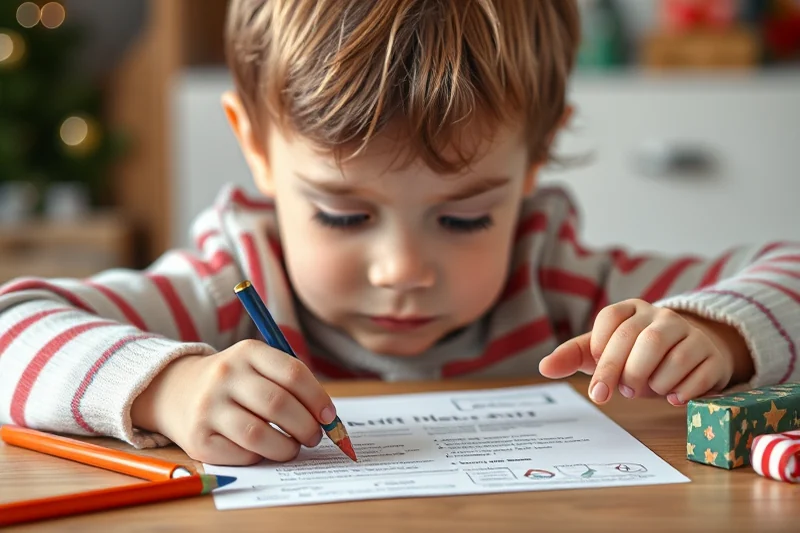
Natural materials are a fantastic alternative, especially for classrooms that want to minimize their environmental impact. I once took the kids on a short nature walk and collected pinecones, acorns, and evergreen branches, which we then used to create mini Christmas trees and wreaths. The children were thrilled to see their own discoveries turned into holiday decorations.
One of the best parts of this activity is that it’s not only fun but also educational. Children learn about different textures, shapes, and the parts of a tree. I remember one child who was hesitant to participate at first but became a leader when we started making pinecone snowmen with cotton balls and toothpicks.
The beauty of using natural materials is that it doesn’t require any special supplies. A simple collection from the playground or a nearby park can be transformed into a holiday craft. This method is also great for sensory play, as the rough texture of pinecones and the soft feel of cotton balls offer a variety of tactile experiences.
Nature is the best teacher—especially during the holidays.
Related: Quick preschool craft supplies
Recycled Materials: Creativity Meets Sustainability
I’ve discovered that recycled materials can be a goldmine for preschool Christmas crafts. One of the most popular activities I’ve done with the kids was turning cardboard toilet paper rolls into reindeer using markers, glue, and buttons. The kids loved personalizing their reindeer with different colors and adding bows made from ribbon scraps.
Another favorite was turning bottle caps into stars and snowflakes, which were then glued onto paper plates to create a classroom wreath. This not only kept the kids engaged but also taught them the importance of reusing materials. One child even brought in a collection of bottle caps from home, which was a great conversation starter about recycling.
Using recycled materials is an excellent way to teach preschoolers about sustainability without overwhelming them with complex concepts. It’s a simple, hands-on approach that encourages creativity and reduces waste. Plus, it’s cost-effective, as most materials can be sourced from the classroom or home.
Set up a ‘craft recycling bin’ for parents and students to contribute materials. Encourage children to sort materials by texture or color as part of the activity. Let them brainstorm ideas for what they can make using the items.
“There's nothing quite like the magic of the holidays in a preschool classroom, but when the usual Christmas crafts come up short—whether due to time…”— Glueseason editors
Related: Best preschool craft kits
Sensory Play with Playdough: A Tactile Christmas Experience
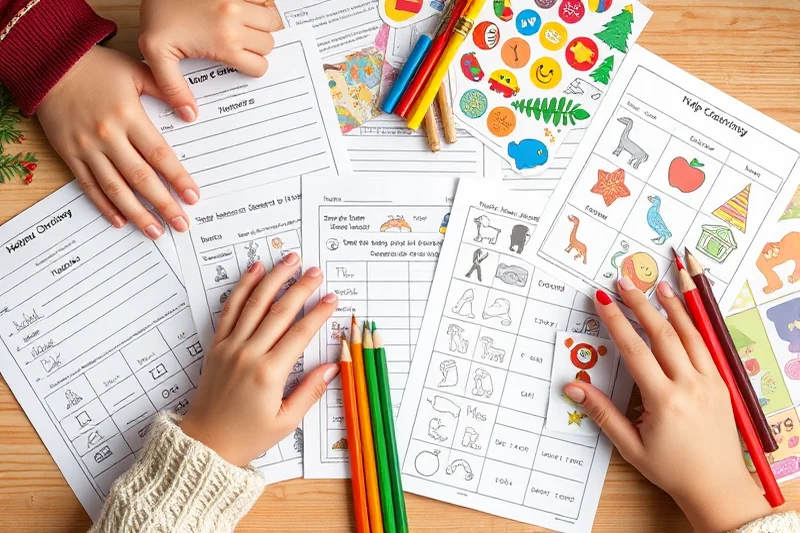
Sensory play with playdough is a fantastic alternative that combines creativity with fine motor development. I’ve used playdough to make Christmas trees, cookies, and even snowmen, and the kids have loved the tactile experience. It’s a great way to keep children engaged during the holiday season, especially those who may be overstimulated by traditional crafts.
One of the most rewarding moments was watching a child with sensory processing difficulties use the playdough to create a detailed snowman, which was a breakthrough for her. The squishy texture was calming for her, and she was able to focus on the task without feeling overwhelmed.
Playdough is also versatile and can be used with different tools, such as cookie cutters and rolling pins, to create a variety of holiday shapes. The materials are easy to clean up, and the activity can be adapted for all learning levels. It’s a win for teachers who want an inclusive, hands-on holiday activity.
Related: Preschool crafts tips alternatives
Sticker Art: A Simple and Inclusive Craft
Sticker art is a simple yet effective alternative that doesn’t require any special skills or materials. I’ve used this activity with a wide range of students, including those with fine motor delays and sensory sensitivities, and it’s been a hit every time. The kids love choosing their favorite stickers and arranging them into festive scenes.
One of the best parts of this activity is that it’s completely customizable. I’ve seen children create their own Christmas cards, decorate classroom bulletin boards, and even make personalized gift tags for teachers. It’s a great way to encourage creativity and personal expression.
Sticker art is also a great way to teach color recognition and basic design principles. I’ve used this activity to introduce concepts like symmetry and balance, which the kids have grasped surprisingly well. It’s a low-stress, high-engagement activity that’s perfect for the holidays.
⭐ Classic
Traditional felt shapes and glue for a simple, familiar activity.
💰 Budget
Use materials you already have on hand, like paper plates and markers.
⚡ Extra-Fast
Choose pre-made felt shapes and minimize preparation time.
✨ Depth
Add more complexity with layers and textures for advanced learners.
🥗 Light
Use minimal materials and focus on color and shape recognition.
| The mistake | Why it happens | The fix |
|---|---|---|
| Using too many different materials at once | This can overwhelm preschoolers and lead to confusion. | Limit the number of materials to 3-4 at a time to keep the activity focused and manageable. |
| Not providing enough supervision | Preschoolers may misuse materials or get distracted, leading to safety issues. | Always supervise closely, especially when using small parts or recycled materials. |
| Not allowing time for individual expression | This can lead to frustration and disengagement from the activity. | Encourage children to personalize their crafts and allow time for them to show their work to the class. |
| Using materials that are too small or unsafe | This can pose a choking hazard for young children. | Choose materials that are safe, non-toxic, and appropriately sized for preschoolers. |
What You'll Need tap to check off
- 1 lb felt sheets (various colors)
- ½ cup liquid glue
- pre-cut felt shapes (snowflakes, trees, etc.)
- 1 box markers
- 1 bag recycled materials (cardboard rolls, bottle caps)
Method tap a step when done
- Gather all materials and organize them into separate containers for easy access.
- Introduce the activity to the class and explain the steps in a clear, engaging way.
- Allow children to choose their preferred materials and begin creating their own Christmas-themed crafts.
- Encourage individual expression and offer support as needed.
- Once the crafts are complete, allow time for children to present their work to the class.
- Clean up materials and store any leftover items for future use.
Key Facts
Related: Craft preschool activities
Preschool Christmas Crafts Alternatives
Related: Crochet for beginners
Common Questions
What are the best materials for no-needle felt crafting?
How can I make natural materials crafts more engaging for preschoolers?
Are recycled materials safe for young children to use?
How can I adapt sensory play with playdough for children with sensory sensitivities?
References
- PDF Preschool Christmas Printable Worksheets (cdn.jacksonms.gov)
- Printable Christmas Crafts For Kids - Printable Study Guides (eset.desales.edu)
- DIY Christmas Crafts with Tissue Paper - Printing Technology Guide (pressbooks.cuny.edu)
- Easy Preschool Christmas Gift Craft Ideas for Little Hands (dev.housing.arizona.edu)
Cite this guide
Glueseason (2026). Preschool Christmas Crafts Alternatives. https://glueseason.com/preschool-christmas-crafts-alternatives/
Feel free to cite or share this guide.