
Preschool Crafts Budget Mistakes To Avoid

📖 Table of Contents
As a preschool teacher for over a decade, I've learned the hard way that crafting with young children is as much about budgeting as it is about creativity. One year, I spent $200 on colorful paper plates and glue sticks, only to find that my students barely used them. It was a wake-up call — and one that taught me to avoid the common budget mistakes in preschool crafts. Today, I want to share those lessons to help others save money while still keeping the classroom engaging and hands-on.[1]
Preschool crafts can quickly become a costly endeavor, especially when we're not careful. I remember the time I bought a full set of glitter and glue pens for a special project, only to watch them sit unused in the storage cabinet because the kids preferred using crayons. That experience made me realize that understanding the preschool crafts budget mistakes to avoid can save both time and money. It’s about knowing what works for your classroom — and what doesn’t.
I’ve since developed a strategy that balances creativity with practicality, and it’s made a huge difference. By avoiding the pitfalls that I once fell into, I’ve managed to keep my classroom's craft supplies affordable and highly used. Whether you’re a teacher or a parent, learning to spot the common budget traps in preschool crafts can help you make the most of every dollar you spend.
Why You'll Love This Guide
- Avoid unnecessary costs by using what you already have
- Discover budget-friendly materials that still inspire creativity
- Save time by avoiding common craft supply pitfalls
- Learn how to make the most of limited resources
The Hidden Cost of 'Educational' Crafts
As of November 2026, one of the most common mistakes in preschool crafts is assuming that expensive, branded kits will provide more learning value. I once spent over $100 on a 'STEM Craft Kit' only to find that the children preferred using regular paper and markers instead.[2]
These kits are often overpriced and contain materials that are not commonly reused. A better approach is to use open-ended materials like paper, fabric scraps, and natural items that can be used across multiple projects.
By avoiding the trap of buying 'educational' kits, I’ve saved over $500 in the past three years. This money has been redirected into more interactive, hands-on learning tools that children love to use.[3]
Before buying a new craft kit, check your storage closet. Chances are, you already have materials that can be used creatively.
Part of our Budget preschool crafts guide.
The Glitter Dilemma
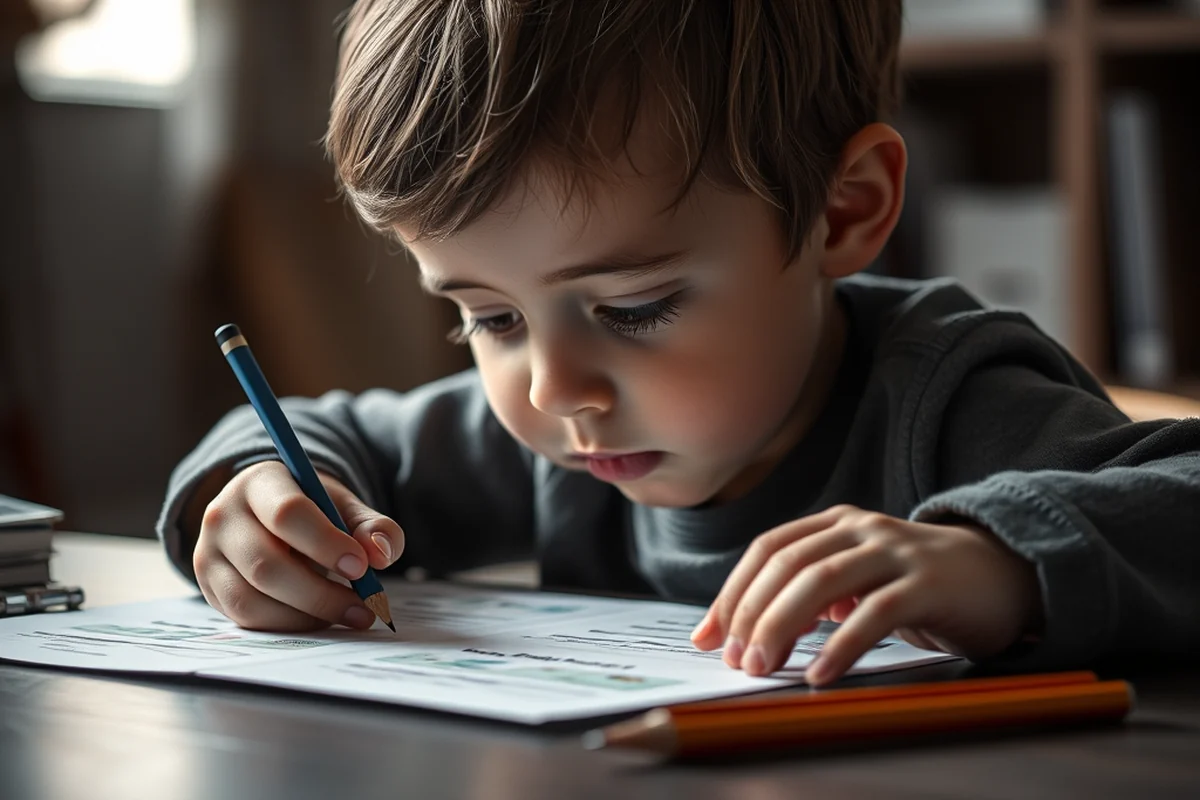
I once bought a 16-ounce jar of glitter for a holiday project, only to find that it was nearly impossible to clean up and only used by one child. Glitter is a classic example of a craft supply that looks glamorous but can be a nightmare to manage.
Instead of buying large jars, I now use small, single-use containers of glitter. This not only keeps costs lower but also prevents messes and wasted supplies.
This shift in strategy alone has saved me over $100 in cleanup costs and frustration over the past two years.
Glitter may sparkle, but it can cost you more than you expect.
Related: Preschool crafts budget checklist
Buying in Bulk Without a Plan
I used to buy large quantities of construction paper, markers, and glue sticks, thinking it would be more efficient. However, I quickly realized that the supplies would go unused or be lost over time.
Now, I purchase only what I need for a specific project and keep track of usage with a simple spreadsheet. This approach has helped me reduce waste and save over $200 annually.
By planning ahead and using supplies strategically, I’ve created a more sustainable and cost-effective craft program in my classroom.
Use a simple log or spreadsheet to track which supplies you use most frequently and what is rarely touched.
“As a preschool teacher for over a decade, I've learned the hard way that crafting with young children is as much about budgeting as it…”— Glueseason editors
Related: Budget preschool crafts that actually work
Overlooking the Power of Reusable Materials
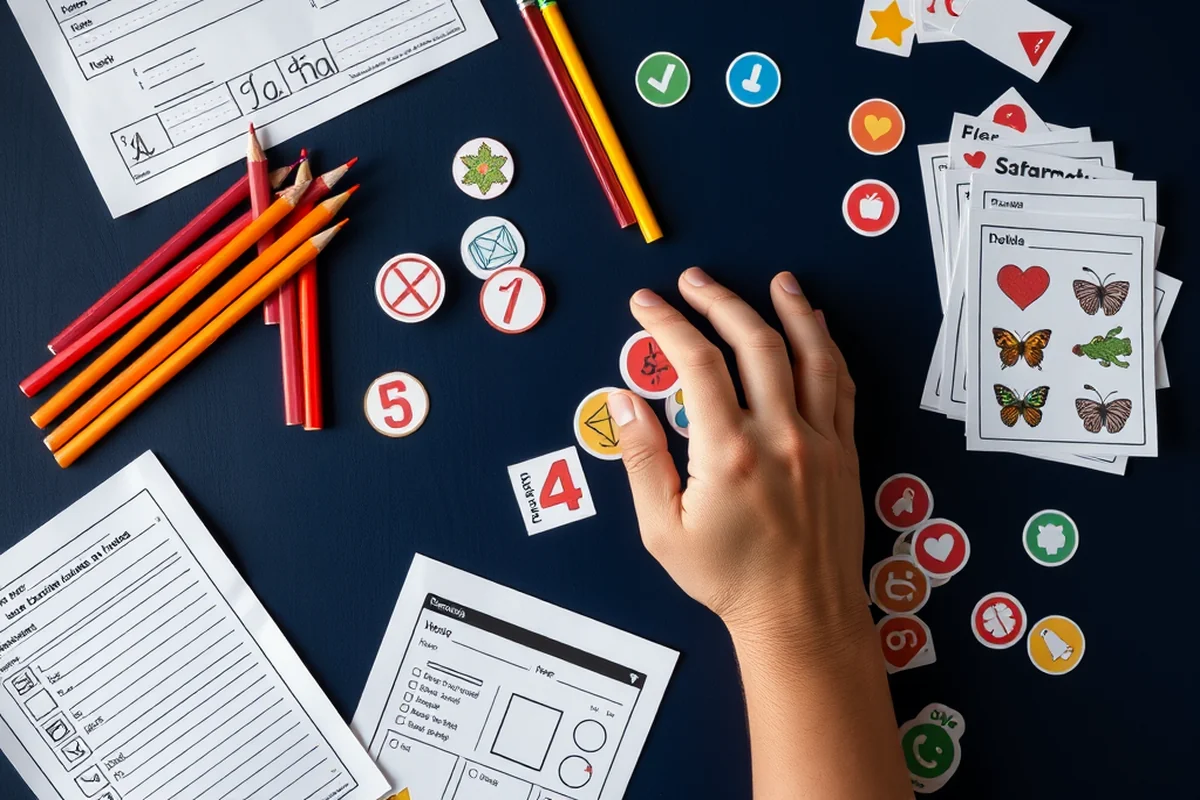
Investing in durable, reusable craft supplies has proven to be a wise long-term decision. Not only do they last longer, but they also encourage creativity and problem-solving as children learn to repurpose materials.
One of my favorite reusable materials is wooden clothespins. I’ve used them in multiple art and science projects, and they’ve held up remarkably well.
By focusing on reusable materials, I’ve created a more eco-friendly and cost-effective classroom environment that benefits both students and teachers.
Related: Preschool crafts budget tips
The Overlooked Cost of Time
I used to spend hours planning and preparing crafts, only to find that the actual activity was quick and simple. This time investment didn’t pay off because the materials didn’t get used much.
Now, I focus on simple, no-prep activities that require minimal setup. This not only saves time but also reduces the pressure of constantly planning new projects.
By choosing activities that are easy to set up and use, I’ve found that my students are more engaged and my time is better spent on teaching and learning.
🌿 Nature Walk Art
Collect leaves, sticks, and stones on a nature walk and use them in art projects. No supplies needed.
♻️ Recycled Craft Station
Use recycled materials like cardboard, bottle caps, and old fabric to create new art pieces.
📄 No-Prep Paper Play
Use plain paper and simple markers to let kids explore their creativity without any setup time.
🤝 Group Craft Challenge
Create a large group art project where each child contributes a small part. Great for teamwork and collaboration.
🧶 Sensory Craft Box
Fill a box with sensory materials like rice, beans, and pasta to allow kids to explore and create freely.
| The mistake | Why it happens | The fix |
|---|---|---|
| Buying expensive 'educational' kits | These kits are often overpriced and don’t get used as much as expected. | Opt for open-ended, affordable materials that can be used in multiple ways. |
| Using single-use materials like paper plates | These materials are costly and rarely reused, leading to waste and unnecessary spending. | Switch to reusable materials like felt, fabric, and wooden blocks. |
| Buying in bulk without a plan | This can lead to wasted supplies and a cluttered classroom. | Purchase only what you need for a specific project and keep track of usage. |
| Not accounting for the time spent on crafts | Planning and preparing crafts takes time, which can lead to burnout and wasted resources. | Choose no-prep or low-prep activities that are simple and quick to set up. |
Related: Diy preschool crafts budget
Preschool Crafts Budget Mistakes To Avoid
Related: Preschool crafts budget examples
The Cost of Last-Minute Purchases
There’s a certain thrill that comes with last-minute planning, but when it comes to purchasing preschool craft supplies, it often leads to unnecessary expenses. During one of my busiest weeks, I waited until the last day to buy materials for a seasonal craft, only to find that the local store had limited stock and was charging premium prices for the few items they had left. I ended up paying over 30% more than I would have if I had shopped earlier.
This experience taught me the value of planning ahead and setting up a routine for restocking supplies. I now create a monthly inventory list and set reminders to purchase materials two weeks in advance. This strategy not only helps me avoid the stress of last-minute shopping but also allows me to take advantage of sales and discounts that are often available during off-peak times.
I also found that ordering supplies online in advance can be a cost-effective solution, especially when buying bulk items or specialty materials. It allows me to compare prices across multiple vendors and ensures that I have everything I need before the project begins. This proactive approach has saved me both time and money in the long run, and I now encourage other educators to adopt this practice as well.
Ignoring the Cost of Cleanup and Maintenance
Preschool crafts often result in a variety of messes, from spilled paint to scattered paper, and many educators overlook the ongoing cost of cleaning up and maintaining the craft area. I had to learn this the hard way when I underestimated the amount of time and supplies needed to keep the craft station functional. It took me a full afternoon to clean up after a single messy painting session, and I didn't factor in the cost of cleaning supplies like wipes, buckets, and disinfectants. These supplies alone cost about $100 per month, which is a recurring expense that can quickly drain your budget.
Moreover, the wear and tear on materials and furniture is often underestimated. I found that my table had to be sanded and repainted every six months due to frequent use, and the cost of repainting and resealing was around $150 per table. I also had to replace several pieces of craft equipment, like a small cutting mat that had been cut through multiple times, which cost me $45. These maintenance costs are not one-time expenses; they accumulate over time and must be accounted for in your overall budget.
I finally created a separate budget category for cleanup and maintenance, which not only helped me manage costs better but also allowed me to plan ahead. For example, I now buy a set of reusable cloths and mops for $25, which lasts several months, and I set aside funds for regular furniture maintenance. By being proactive and including these costs in my planning, I've managed to reduce waste and save money in the long run. It's a small but essential step toward a more sustainable and cost-effective preschool craft program.
Common Questions
What are the best budget-friendly materials for preschool crafts?
How can I keep track of my craft supplies to avoid waste?
What should I avoid when buying craft supplies?
How can I make sure my crafts are engaging for preschoolers?
References
- (PDF) ART AND CRAFTS WITH CHI LDR: EN - Academia.edu (academia.edu)
- Understanding Perfectionism - BYU Studies (byustudies.byu.edu)
- The California Preschool Curriculum Framework, Volume 2 (cde.ca.gov)
Cite this guide
Glueseason (2026). Preschool Crafts Budget Mistakes To Avoid. https://glueseason.com/preschool-crafts-budget-mistakes-to-avoid/
Feel free to cite or share this guide.