
Five Minute Crafts

📖 Table of Contents
When my son came home from preschool one afternoon, he asked me, 'Can we do something fun that only takes five minutes?' That question stuck with me — not just because it was so innocent. Because it revealed a truth about learning: it doesn’t always require long hours at the table or weeks of preparation. What if we could turn those fleeting, scattered moments into teachable ones? That’s where five minute crafts come in. They’re not just for keeping kids busy; they’re a way to spark creativity, build focus, and even sneak in early literacy or math skills without anyone noticing.[1]
I began experimenting with simple crafts that required minimal materials — things like paper scraps, markers, and glue. The results were surprising: my son was more engaged, more curious, and more willing to try new things. These crafts didn’t just pass the time; they became a way to connect. Whether we were making paper airplanes or drawing with cotton swabs, there was always something to learn, something to talk about, and something to laugh over. That’s the magic of five minute crafts — they don’t take long, but they leave a lasting impression.[2]
Over time, I realized these quick activities had a deeper purpose. They helped my son develop fine motor skills, improve his hand-eye coordination, and even began to recognize letters and shapes through play. It wasn’t about perfection or elaborate setups; it was about being present and showing him that learning could be fun, effortless, and accessible. Today, I want to share those same moments with you — to help you turn your everyday spaces into classrooms of creativity, no matter how little time you have.
Why You'll Love This Collection of Five Minute Crafts
- They build early learning skills like counting, shapes, and letters without a lesson plan.
- They’re perfect for busy parents who want to engage children in meaningful, hands-on learning.
- They foster creativity and encourage kids to think critically and solve problems.
- They can be done anytime, anywhere, with just a few household items.
How to Turn a Napkin into a Learning Tool
As of October 2026, Napkins are perfect for this activity because they’re sturdy enough to cut and colorful enough to inspire creativity. I’ve used them to teach my son letters, shapes, and even basic counting — for example, by asking him to color the number of circles he sees on each napkin. It’s not just about the craft; it’s about the conversation, the questions, and the moments of discovery that come with it.
One of the best parts is that you can customize the activity based on your child’s interests. If they love animals, you can trace shapes of animals onto the napkin and talk about their features. If they’re into numbers, you can draw a number of stars and ask them to count them. The beauty of this craft is that it’s adaptable and can be tailored to your child’s developmental stage.
I was surprised at how quickly my son picked up the concept of symmetry when we folded napkins in half and then cut out shapes. He didn’t just enjoy the results — he began to notice patterns, and that’s when the real learning began. It was a simple activity, but it sparked curiosity and a deeper understanding of shapes and space.
Always choose safety scissors for young kids and supervise them closely during cutting. This ensures their safety and helps them develop proper cutting techniques.
Part of our Preschool crafts guide.
The Power of Paper Roll Art
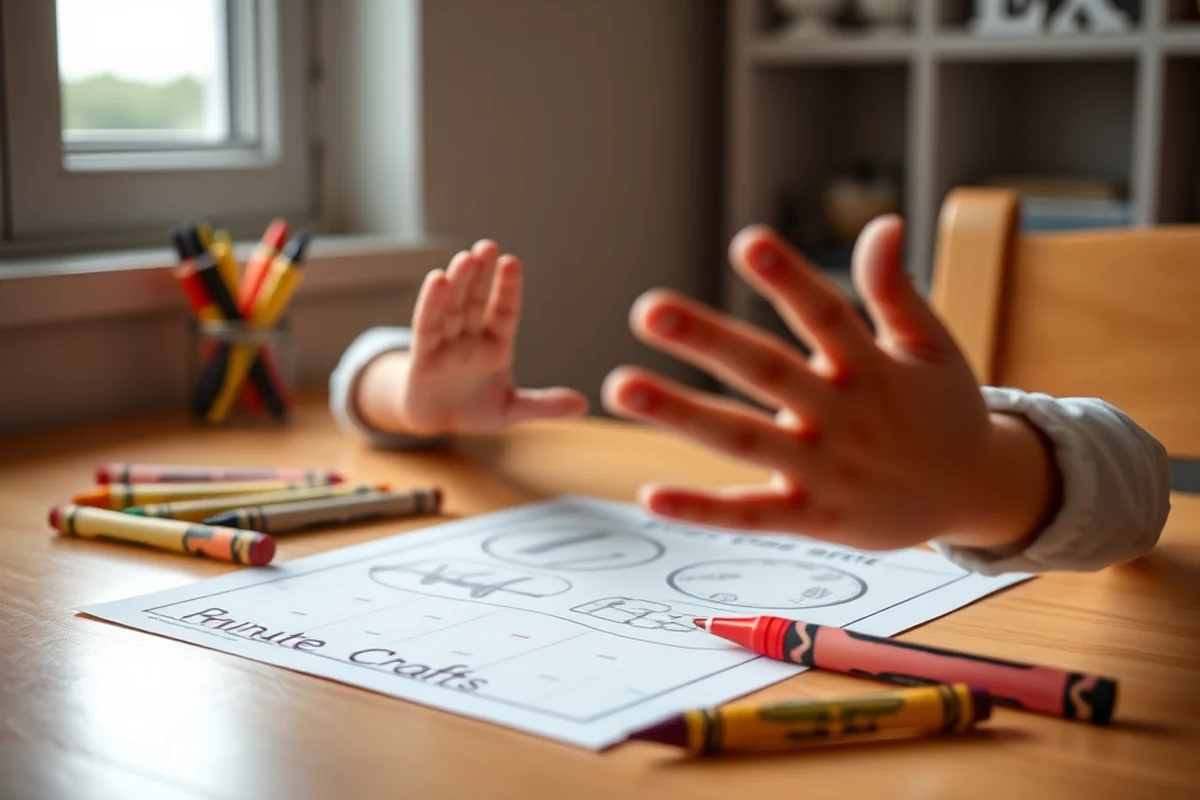
To make this craft, I take an empty toilet paper roll, wrap it in paper, and let my son paint on the surface with washable markers. He’s loved this activity because it feels like a big mural — something he can create and take pride in. The best part? It’s a great way to introduce color mixing concepts without needing any special materials.
I’ve found that this activity helps build hand strength and improves grip control. My son has gotten better at holding the marker and moving it across the paper. It’s also a great way to talk about colors and the emotions they evoke — he’s started to describe the reds as 'exciting' and the blues as 'calm.' It’s amazing how much learning can happen through play.
Another benefit is that this craft is easily modifiable. For younger kids, you can use bigger markers or even crayons. For older children, you can challenge them to create a scene or even use different textures like sandpaper or fabric to add dimension.
Paper rolls are a canvas for creativity and learning — and they’re never out of reach.
Related: Preschool crafts tips
DIY Sticker Art with Recycled Materials
I’ve turned this into a weekly ritual — we take old magazines, cut out shapes, and let my son use them to create a collage. He’s learned to identify different shapes and even started to recognize letters in the process. This activity is not only educational but also a great way to reduce waste by repurposing materials we would otherwise throw away.
I’ve noticed that my son is more interested in sorting the shapes and figuring out where to place them. He’s started to ask questions like, 'Can I use this triangle here?' or 'Is that a circle or a square?' These are the kinds of conversations that promote critical thinking and curiosity.
This activity is also a great way to introduce the concept of recycling and sustainability. We talk about how we’re giving new life to old materials and how that’s a way to take care of our planet. It’s a simple lesson, but one that makes an impact.
Incorporate different materials like fabric scraps, foil, or even leaves to create a tactile experience that enhances sensory learning.
“When my son came home from preschool one afternoon, he asked me, 'Can we do something fun that only takes five minutes?' That question stuck…”— Glueseason editors
Related: Preschool halloween crafts step by step
The Magic of Finger Painting with Salt
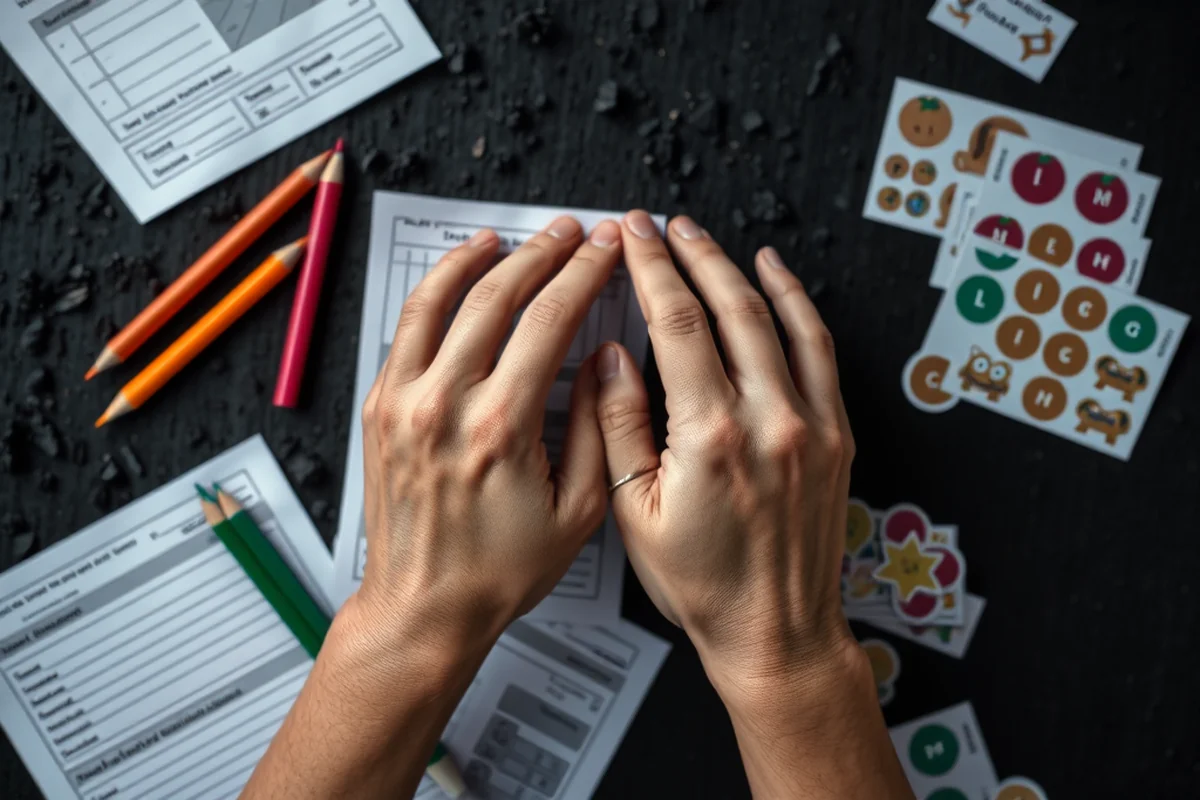
One of my favorite activities is using salt and paint to create a tactile masterpiece. I spread a thin layer of paint on a paper plate and sprinkle salt on top. My son loves pressing his fingers into the salt and making 'cracks' in the paint — it feels like a mosaic or a texture-filled landscape. This activity is not only fun but also a great way to explore different textures and build sensory awareness.
I’ve noticed that my son is more engaged when he can touch the salt and see how it changes the paint’s surface. He’s started to count the number of 'cracks' he creates and even talks about the different colors of the paint. It’s an excellent way to introduce counting and color recognition in a playful, hands-on way.
This craft is also a great way to talk about the properties of materials and how they interact. We discuss how the salt doesn’t dissolve in the paint and how it changes the texture when touched. It’s a simple activity that opens the door to scientific thinking and curiosity.
Related: Diy preschool halloween crafts
Origami for Little Hands
I started with the most basic folds — a square piece of paper folded in half, then again, and again. My son learned to follow the steps and even began to create simple shapes like squares and triangles. This activity is not just about folding paper; it’s about understanding how shapes can be transformed and how space can be divided.
I’ve noticed that my son has become more patient and more focused when doing origami. He’s had to pay attention to each fold and make sure he follows the steps correctly. It’s a great way to develop concentration and perseverance.
This activity is also a great way to introduce the concept of symmetry. We talk about how each fold makes the paper match on both sides and how that creates balance. It’s a simple lesson, but one that helps build spatial awareness and understanding.
Related: Preschool craft kits mistakes
The Art of Using Cotton Swabs for Painting
I’ve found that cotton swabs are a fantastic alternative to traditional paintbrushes for young children. They’re small, easy to grip, and allow for precise strokes. My son loves using them to paint on paper, and he’s started to experiment with different techniques — like dabbing, swiping, and even making dots.
This activity has helped improve his fine motor skills and hand-eye coordination. He’s had to learn how to hold the swab, control the paint, and make sure it doesn’t drip too much. It’s a great way to develop control and precision in a playful, engaging way.
I’ve also noticed that this activity encourages creativity. My son has started to make patterns, draw lines, and even create simple shapes with the cotton swabs. It’s a simple activity, but it has a big impact on his development.
Cotton swabs are not just for cleaning — they're the perfect tools for young artists.
Related: Preschool crafts for beginners checklist
Creating a Color Wheel with Markers
I’ve used this activity to teach my son about primary and secondary colors. We start by drawing a large circle on a piece of paper and divide it into six equal sections. Then we color each section with the primary colors — red, blue, and yellow. After that, we mix them to create secondary colors and see how they fit together in the circle.
This activity has helped my son understand how colors can be combined to make new ones. He’s started to experiment with different combinations and even asked questions like, 'What happens if I mix blue and red?' or 'Why is orange the color between red and yellow?' These are the kinds of questions that spark curiosity and lead to deeper learning.
This activity is also a great way to introduce the concept of color theory and how colors relate to one another. It’s not just about mixing colors — it’s about understanding how they work together and how they can be used to create different effects.
🎨 Younger Kids (Ages 2-4)
Use bigger markers, pre-cut shapes, and simple instructions to make the activity easier and more engaging for toddlers.
🧩 Older Kids (Ages 7+)
Challenge older children with more complex folds, patterns, or even letter formation using cotton swabs or paper rolls.
🧺 No-Prep Version
Use whatever materials are on hand — paper, markers, glue, and scissors — to create a spontaneous craft anytime, anywhere.
🤝 Group Activity
Encourage teamwork by having children collaborate on a large mural or a joint project that requires shared materials and ideas.
📚 Extension Activity
Pair each craft with a short story or song that reinforces the learning concept, making the activity even more engaging and educational.
| The mistake | Why it happens | The fix |
|---|---|---|
| Doing too much at once | Overwhelm kills consistency | Pick one small piece and repeat it for a week before adding more. |
| Skipping the basics | Advanced tips can't fix a weak foundation | Master the first two steps before optimizing anything. |
Five Minute Crafts
Common Questions
Do I need any special materials for these crafts?
Can these activities be done with very young children?
Are these crafts educational or just for fun?
Can I do these crafts with more than one child at a time?
References
- Report on Cognitive Interview Results for the 1999 Survey of ... (census.gov)
- New York State Early Learning Guidelines (ccf.ny.gov)
Cite this guide
Glueseason (2026). Five Minute Crafts. https://glueseason.com/five-minute-crafts/
Feel free to cite or share this guide.