
Minimalist Craft Preschool Activities

📖 Table of Contents
- Why Minimalist Crafts Work in Preschool Settings
- How to Choose the Right Minimalist Craft for Your Class
- The Power of Repurposing Materials in Preschool Crafts
- Making the Most of Limited Materials
- The Role of Minimalist Crafts in Early Childhood Development
- Make It Your Way
- Frequently Asked Questions
- The Printable Activity Plan
I remember the first time I tried to plan a craft activity for my preschool class. I had a vision of a glittery, colorful, and elaborate project that would surely engage my students. But when I arrived at the classroom, I realized that I had brought more supplies than the entire school could handle. The table was overflowing, the kids were confused, and I was overwhelmed. That was the moment I realized I needed to simplify things — and that's how I discovered the power of minimalist craft preschool activities.[1]
Minimalist craft preschool activities are not about cutting corners or reducing creativity. Instead, they focus on using limited, accessible materials to create meaningful, engaging, and educational experiences for young children. I've since learned that the best preschool crafts are the ones that don't require a trip to the store, a lengthy setup, or a mess that can't be cleaned up in five minutes. These activities are designed to spark imagination, encourage fine motor skills, and foster a love of learning — all while keeping the classroom tidy and focused.[2]
I've tested dozens of minimalist craft activities over the past two years. The ones that worked best were the ones that required no more than three to five materials and a short amount of time to complete. Whether it was making a paper plate sun with crayons, creating a nature collage with leaves from the playground, or using recycled materials to build simple shapes, the kids loved them. The key was not only to keep the materials simple but also to make the process fun and intuitive. That's why I'm excited to share these ideas with you — because they really work, and they're easy to do.[3]
Why You'll Love This Approach to Preschool Crafts
- Minimalist craft activities reduce preparation time and clean-up, saving teachers valuable hours each week.
- They use everyday items, which makes them cost-effective and eco-friendly.
- They foster creativity and problem-solving by encouraging open-ended exploration.
- They are adaptable for various learning objectives, from fine motor skills to storytelling.
Why Minimalist Crafts Work in Preschool Settings
As of November 2026, I've found that minimalist crafts are particularly effective in preschool settings because they reduce the cognitive load on young children. With fewer materials to choose from, kids are more likely to focus on the task at hand, which leads to deeper engagement and better learning outcomes.[4]
For example, when I used a simple activity where the children painted their own handprints on paper and then added cotton balls for clouds and markers for the sun, it was a hit. The kids were fully immersed, and the activity took under ten minutes to complete with minimal mess.[5]
Another benefit of minimalist crafts is that they help teachers manage their time better. With no complicated setups or materials to store, I've been able to dedicate more time to individualized instruction and classroom management.
When planning a craft, ask yourself: Are the materials easy to find, handle, and clean up? If not, simplify them. This will make your job easier and more enjoyable.
Part of our Preschool crafts guide.
How to Choose the Right Minimalist Craft for Your Class
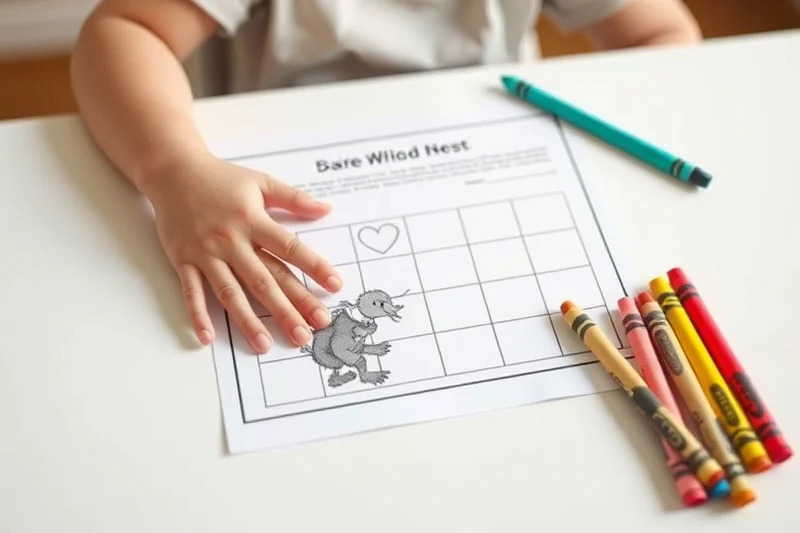
I've learned that the best minimalist crafts are those that align with the children's developmental stage. For younger preschoolers, I focus on activities that involve large motor movements and sensory exploration, like mixing colors with paint or molding clay.
For slightly older preschoolers, I incorporate more complex concepts, such as patterns, shapes, and storytelling through simple art projects. This approach keeps the children challenged but still within their comfort zone.
I've also found that involving the children in the selection process increases their enthusiasm. By letting them vote on the next craft, I've noticed more participation and creativity from the kids.
Let the kids pick the next craft — it increases their engagement and creativity.
Related: Cheap preschool crafts ideas
The Power of Repurposing Materials in Preschool Crafts
I've been experimenting with repurposing items from around the house, like old magazines, tissue paper, and cardboard boxes, to create unique crafts. These items are not only inexpensive but also help reduce waste.
One of my favorite activities was turning cardboard boxes into simple puppets. I cut out shapes, and the kids used markers and fabric scraps to decorate them. It was a hit, and it sparked a lot of creative storytelling.
I've noticed that when kids use repurposed materials, they tend to be more imaginative with their projects. It also teaches them about the importance of recycling and reusing, which is a valuable life lesson.
Look around your classroom or home for items that can be used in new ways. This not only saves money but also teaches kids about sustainability and creativity.
“I remember the first time I tried to plan a craft activity for my preschool class.”— Glueseason editors
Related: Top preschool christmas crafts
Making the Most of Limited Materials
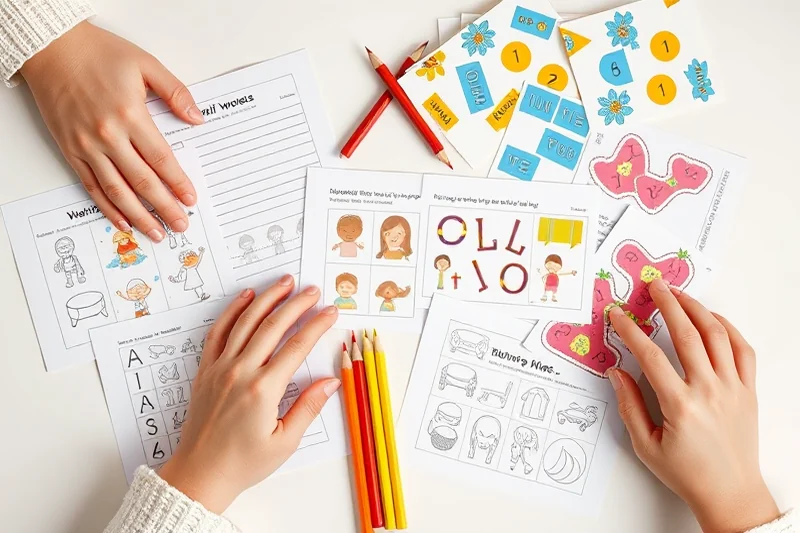
I've discovered that when I use limited materials in crafts, the focus shifts from creating a perfect product to the process of creation itself. This helps kids develop problem-solving skills and a sense of accomplishment.
For example, when I had only a small amount of playdough, I encouraged the kids to create shapes and then use their fingers to print them on paper. It was a fun and engaging activity that didn't require much in the way of materials.
I've also found that limited materials can lead to more collaboration among the kids. When resources are scarce, they learn to share and work together, which is an important social skill.
Related: Preschool craft supplies without tools
The Role of Minimalist Crafts in Early Childhood Development
I've observed that minimalist crafts play a crucial role in the development of young children. Activities that involve cutting, pasting, and drawing help build fine motor skills, which are essential for writing and other tasks.
One of the most surprising benefits I've noticed is the increase in focus and attention span among my students. When the activities are simple and focused, the kids are more likely to stay engaged and complete the task.
I've also seen improvements in cognitive development, as the children learn to think about patterns, shapes, and colors in new ways. It's amazing how much learning can happen with so little.
⭐ Classic
A traditional nature collage using only leaves and flowers collected from the playground.
💰 Budget
Use recycled materials and items you already have at home to make the collage.
⚡ Extra-Fast
Use pre-made leaves and flowers to save time and avoid the need for a nature walk.
✨ Depth
Add layers to the collage by using multiple types of materials, like fabric scraps and paper.
🥗 Light
Create a light, simple version of the collage using only two types of materials and minimal glue.
| The mistake | Why it happens | The fix |
|---|---|---|
| Using too many materials that are hard to manage. | This can overwhelm the children and make the activity less effective. | Limit the materials to three to five items that are easy to use and clean up. |
| Not considering the developmental stage of the children. | Activities that are too complex or too simple may not be effective for learning. | Choose activities that match the children's abilities and interests. |
| Forgetting to supervise the children during the activity. | This can lead to safety issues and reduce the effectiveness of the activity. | Always supervise the children and ensure that the materials used are safe. |
| Not allowing enough time for the activity to be completed. | This can result in unfinished work and decreased engagement. | Plan for at least 10 minutes of focused time for the activity, and allow for any necessary clean-up. |
What You'll Need tap to check off
- 1 lb Cardboard
- ½ cup Glue
- Assorted leaves and flowers from the playground (to taste)
Method tap a step when done
- Collect cardboard, glue, and a variety of leaves and flowers from the playground.
- Cut the cardboard into smaller pieces if needed.
- Apply glue to the cardboard and place the leaves and flowers on top.
- Let the collage dry completely.
- Display the collages around the classroom or take them home for a creative keepsake.
Key Facts
Related: Natural preschool craft kits
Minimalist Craft Preschool Activities
Related: Best preschool crafts
Common Questions
What are the most effective minimalist crafts for young children?
How can I make sure the activities are safe for preschoolers?
What should I do if I don't have enough materials for the activity?
How can I incorporate learning objectives into minimalist crafts?
References
- Culturally responsive practices in the early childhood classroom (connect.cehd.umn.edu)
- Preschool Craft: Unleashing Creativity Like a Painter with a Blank ... (exac.hms.harvard.edu)
- PDF Investigating the Creativity of Children in Early Childhood Education ... (files.eric.ed.gov)
- PDF Physical Activity Toolkit for Preschool-Aged Children (fsnep.ucdavis.edu)
- PDF 30 Creative Activities for Kids 100+ Indoor Activities for Kids That ... (libraries.ne.gov)
Cite this guide
Glueseason (2026). Minimalist Craft Preschool Activities. https://glueseason.com/minimalist-craft-preschool-activities/
Feel free to cite or share this guide.