
Popsicle Stick Crafts
📖 Table of Contents
- The Power of Simple Materials
- Hands-On Learning and Fine Motor Development
- Encouraging Creativity and Problem Solving
- Supporting Learning Through Hands-On Exploration
- A Low-Cost and Reusable Educational Tool
- Fostering Collaboration and Social Skills
- Making Learning Fun and Engaging
- Make It Your Way
- Frequently Asked Questions
When I first introduced popsicle stick crafts to my 4-year-old son during a rainy afternoon, I had no idea how deeply this simple activity would spark his creativity and focus. He glued sticks together with the enthusiasm of a mad scientist, his small hands trembling with excitement as he shaped a bridge that would soon collapse under the weight of a paper clip. That moment taught me that popsicle stick crafts aren't just a fun diversion—they're a powerful tool for learning. By engaging both fine motor skills and problem-solving, these crafts can transform a child’s imagination into a tangible masterpiece.[1]
I remember how I first stumbled upon this idea. It was at a local library storytime where a teacher demonstrated a craft with nothing but popsicle sticks, glue, and a few colored markers. The room was filled with children who had never seen such a simple project yield such complex results. I watched as a child built a three-dimensional house that stood tall, her eyes lighting up with pride. That day, I knew I wanted to bring this same kind of joy and learning into my home. Popsicle stick crafts didn’t just engage my son’s hands—they awakened his mind and ignited a passion for creation.[2]
Since that day, I've discovered how versatile and educational popsicle stick crafts can be. Whether building bridges, creating patterns, or even constructing simple robots, these activities challenge kids to think critically, follow instructions, and express themselves in new ways. I've seen how my son's confidence grew as he solved a problem, like figuring out how to balance a stick on a single point. These crafts are more than just a pastime—they're a gateway to learning, creativity, and growth.
Why You'll Love This Educational Tool
- Improves fine motor skills and hand-eye coordination
- Encourages creativity and problem-solving
- Supports learning through hands-on exploration
- Requires minimal materials and is highly reusable
The Power of Simple Materials
As of September 2026, a single box of popsicle sticks can become a world of possibilities. I've used them to create patterns, mazes, and even a miniature cityscape with my son. The simplicity of the material makes it accessible to children of all ages, and the fact that they are often found in homes or schools means there's little to no cost involved. When I first started, I used the sticks we had from the kitchen, and I was surprised at how quickly we turned them into something far more than just a craft.
The beauty of popsicle stick crafts lies in their adaptability. My son has built bridges, made robots, and even created a three-dimensional puzzle that challenged his spatial awareness. I've found that the open-ended nature of these crafts allows children to explore different ideas and express themselves in unique ways. With just a few sticks and a bit of glue, there's no limit to what they can create.
I've also noticed how these crafts encourage perseverance. When my son tried to balance a stick on a single point and it kept falling, he didn’t give up. Instead, he adjusted the angle and added more support. That moment taught me how these simple activities can foster resilience and a growth mindset in young learners.
Choose a theme like 'nature' or 'transportation' to guide your child’s creativity and provide a clear focus for their project.
Part of our Preschool crafts guide.
Hands-On Learning and Fine Motor Development
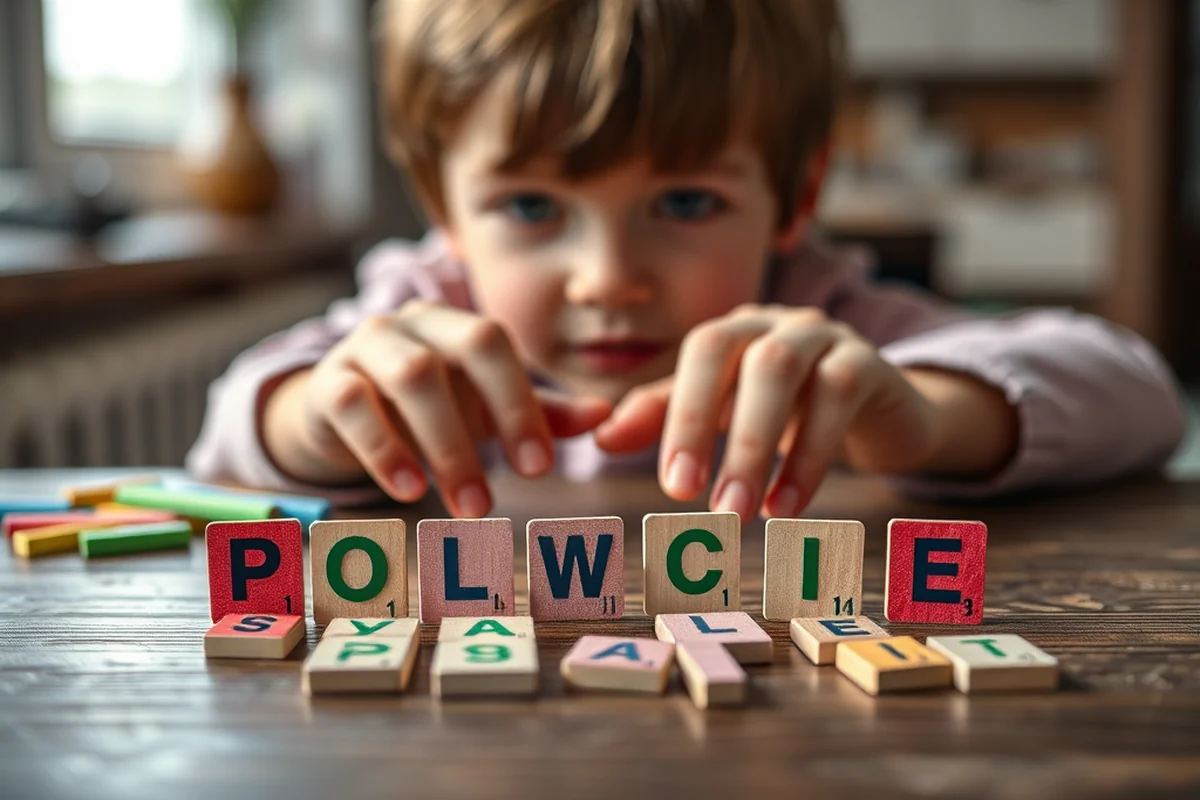
When I first introduced popsicle stick crafts to my son, one of the first things I noticed was the improvement in his fine motor skills. He was struggling with things like holding a pencil or using scissors, but as he glued sticks together, he began to develop the strength and dexterity needed for these tasks. It was amazing to see how much progress he made in just a few weeks.
Fine motor skills are essential for learning, and popsicle stick crafts provide a fun and engaging way to build them. I've seen how the act of gripping a stick, aligning it with another, and applying glue helps strengthen the muscles in a child’s hands. It’s a natural progression that can lead to better handwriting and other important developmental milestones.
I've also noticed how these crafts improve hand-eye coordination. As my son worked on aligning sticks and making precise gluing movements, he became more aware of where his hands were in space. This kind of learning is invaluable and can carry over into other areas of his development.
Small hands, big progress.
Related: Top 10 christmas crafts
Encouraging Creativity and Problem Solving
One of the most rewarding aspects of popsicle stick crafts is the way they encourage creativity and problem-solving. I remember when my son was trying to build a bridge, and he realized that the sticks he had were too short to span the distance between two books. Instead of giving up, he came up with a solution: he used a longer stick as a base and added smaller ones on top. That moment was a perfect example of how these crafts can teach children to think outside the box.
Creativity is a valuable skill, and popsicle stick crafts provide an ideal platform for it. I've seen my son experiment with different shapes and designs, each time coming up with something new. He's learned to think critically about how the sticks can be combined, how they can be colored, and how they can be arranged to create a unique piece of art or a functional structure.
This kind of problem-solving doesn't just happen in the classroom—it happens in the home. I've noticed how my son has become more confident in tackling challenges, whether it's in school or in his daily life. These crafts are more than just a fun activity—they’re a powerful learning tool that helps children think creatively and solve problems in real time.
Encourage your child to try different designs and embrace the mistakes that come with the process. This builds resilience and creativity.
“When I first introduced popsicle stick crafts to my 4-year-old son during a rainy afternoon, I had no idea how deeply this simple activity would…”— Glueseason editors
Related: Preschool learning materials
Supporting Learning Through Hands-On Exploration

Hands-on learning is one of the most effective ways for children to grasp new concepts, and popsicle stick crafts provide an ideal platform for this. I've seen how my son's understanding of geometry and spatial relationships has improved simply by building structures with sticks. He's learned about shapes, angles, and how different pieces fit together to create something stable.
This kind of learning is not only fun but also deeply engaging. I've found that my son is more willing to explore and experiment when the learning is hands-on. Instead of just reading about shapes in a book, he's been able to see and feel them in a way that makes the concepts more tangible and easier to understand.
I've also noticed how these crafts encourage curiosity. My son has asked questions like, 'Why does this stick fall down?' or 'How can I make it stronger?' These are the kinds of questions that lead to deeper learning and a love of discovery.
Related: Preschool art supplies
A Low-Cost and Reusable Educational Tool
One of the best things about popsicle stick crafts is that they are incredibly affordable. I’ve used the sticks from the kitchen or bought a box for just a few dollars. This makes them accessible to families of all backgrounds, and it means that there's little to no financial barrier to enjoying these activities.
Another advantage is that these crafts are reusable. I’ve kept some of the projects my son has made and reused the sticks for new creations. This not only helps reduce waste but also teaches children the value of reusing materials. It’s a great way to introduce them to the concept of sustainability in a fun and hands-on way.
I’ve also found that these crafts are long-lasting. Even if a project is no longer being used, the sticks can be stored and used again for a new project. This makes them a great investment for any family looking for educational activities that can be used time and time again.
Related: Christmas crafts for kids
Fostering Collaboration and Social Skills
When I first started doing popsicle stick crafts with my son, I didn’t realize how much they could help develop social skills. One day, I invited a friend over for a craft session, and it was amazing to see how they worked together. They shared glue, discussed ideas, and even helped each other glue sticks in place. It was a beautiful example of how these crafts can bring people together.
I’ve noticed how these crafts encourage communication and cooperation. When my son was working on a project with another child, they had to talk through their ideas and work together to build something they both liked. It was a great way for them to practice listening, compromising, and working as a team.
These activities also teach children the value of teamwork. I’ve seen how my son has become more patient and understanding when working with others. I’ve noticed how he’s learned to appreciate the different ideas that others bring to the table. This kind of learning is invaluable and can carry over into other areas of his life.
Together, we build something bigger.
Related: Back to school crafts
Making Learning Fun and Engaging
One of the most important things I’ve learned about education is that learning should be fun. Popsicle stick crafts are a perfect example of this. They combine creativity, problem-solving, and hands-on exploration in a way that keeps children engaged and excited about learning. I’ve seen how my son’s enthusiasm for these crafts has made him more willing to try new things and take on challenges.
These activities are also highly adaptable. Whether it’s a simple project for a young child or a more complex one for an older child, there’s always something that can be done. I’ve used popsicle sticks to teach my son about shapes, patterns, and even basic engineering principles like balance and stability.
What I’ve also found is that these crafts are a great way to introduce children to new concepts in a way that feels natural and fun. Instead of trying to force learning, I’ve found that letting them explore and create helps them understand new ideas in a more meaningful way.
🎨 Younger Kids: Simple Shapes and Patterns
Perfect for toddlers and preschoolers, this version focuses on creating simple shapes and patterns using just a few sticks and glue.
🧱 Older Kids: Building Structures and Robots
Ideal for children aged 6 and up, this variation involves building more complex structures like bridges, houses, or even simple robots.
⏰ No-Prep Version: Ready in Minutes
This version requires no preparation and can be done with whatever sticks and glue are on hand, making it a perfect quick activity for busy days.
🤝 Group Version: Collaborative Creations
Designed for group settings, this variation encourages teamwork and communication as children work together to build something larger.
✨ Extension Version: Incorporating Other Materials
This version allows for more advanced creativity by incorporating other materials like paper, fabric, or paint to enhance the final product.
| The mistake | Why it happens | The fix |
|---|---|---|
| Using too much glue | Using too much glue can make the sticks sticky and hard to handle, and it can also weaken the structure of the project. | Use small amounts of glue and let it dry completely before adding more sticks. |
| Not letting the glue dry | If the glue isn’t given enough time to dry, the sticks may fall apart or not hold together properly. | Allow the glue to dry fully before handling the project or adding additional sticks. |
| Overcomplicating the project | Trying to make a project too complex can lead to frustration and a loss of interest, especially for younger children. | Start with simple projects and gradually increase the complexity as the child becomes more confident and skilled. |
| Not encouraging creativity | If the project is too structured or lacks creative freedom, it can limit the child’s engagement and learning potential. | Allow the child to make choices about the design, colors, and structure of the project. |
Popsicle Stick Crafts
Common Questions
What age is best for popsicle stick crafts?
How long does a popsicle stick craft take?
What materials do I need to get started?
Can I do these crafts with my child if I have no artistic skills?
References
- Outdoor Discovery Camp | Town of Amherst NH (amherstnh.gov)
- Project Try-It Activity - Junk Drawer Robotics - Illinois 4-H (4h.extension.illinois.edu)
Cite this guide
Glueseason (2026). Popsicle Stick Crafts. https://glueseason.com/popsicle-stick-crafts/
Feel free to cite or share this guide.